Quick Summary
If you’re exploring a career in instructional design or just curious about what instructional design professionals actually do, you’re in the right place.
Instructional designers aren’t just course creators—they’re problem-solvers. They work across industries, partnering with businesses to create learning programs that help employees gain knowledge, build skills, and perform better—all in the shortest time possible without sacrificing quality.
What Do Instructional Designers Actually Do?
Instructional designers analyze business and learning needs, then design training programs that help employees perform better on the job. They build onboarding programs, leadership development, technical training, compliance courses, product training, virtual learning, and other learning experiences that improve business results.
Corporate instructional designers work closely with subject matter experts, business leaders, and learners to ensure training solves real performance challenges rather than simply delivering information.
When Should You Hire an Instructional Designer?
Not every learning initiative requires a dedicated instructional designer. However, when training needs become more complex, strategic, or business-critical, partnering with an experienced instructional designer can help ensure your learning programs deliver measurable results. Instructional designers bring expertise in analyzing performance challenges, selecting the right learning approach, and creating engaging experiences that help employees apply new skills on the job.
Signs You May Need an Instructional Designer
Consider hiring an instructional designer if:
- You’re launching a new product or service. Employees need consistent, effective training before the rollout.
- Employees are struggling to adopt new systems or processes. An instructional designer can create learning experiences that improve confidence and accelerate adoption.
- Your existing training is outdated or inconsistent. Legacy content may no longer reflect current processes, technologies, or business goals.
- Your L&D team doesn’t have enough bandwidth. A contract instructional designer can help keep projects on schedule without increasing permanent headcount.
- Training completion rates are high, but performance isn’t improving. This often signals that the learning solution isn’t addressing the real performance challenge.
- You’re converting instructor-led training into eLearning or virtual learning. Instructional designers know how to redesign content for digital delivery rather than simply transferring slides online.
- Your organization is growing quickly. Scalable onboarding and role-based learning become increasingly important as new employees join the business.
- You need specialized expertise. Whether it’s curriculum development, technical training, leadership development, compliance training, or custom eLearning, experienced instructional designers bring skills that many internal teams don’t need on a full-time basis.
The best instructional designers don’t simply build courses, they partner with business leaders and subject matter experts to understand organizational goals, identify performance gaps, and recommend learning solutions that support measurable business outcomes. Whether you need help with a single initiative or additional capacity for a busy L&D team, the right instructional designer can help your organization deliver more effective learning programs with greater business impact.
Let’s break down some of the key areas where instructional designers shine and the kind of work that goes into each.
1. Content Refresh: Keeping Training Current
One of the most common and crucial tasks for instructional designers and instructional design contractors is updating existing training materials. Whether it’s an outdated policy, a shift in technology, or new branding, content refresh projects are all about keeping learning relevant.
This means:
- Auditing current materials for accuracy and relevance.
- Updating visuals, terminology, and processes.
- Reworking assessments to reflect new priorities.
- Enhancing outdated courses with modern tools or better engagement strategies.
Instructional design consultants often get pulled into these projects when internal teams don’t have the bandwidth to keep up with ongoing updates. A solid content refresh can breathe new life into a program and extend its shelf life—without reinventing the wheel.
2. New Program Builds: Designing from the Ground Up
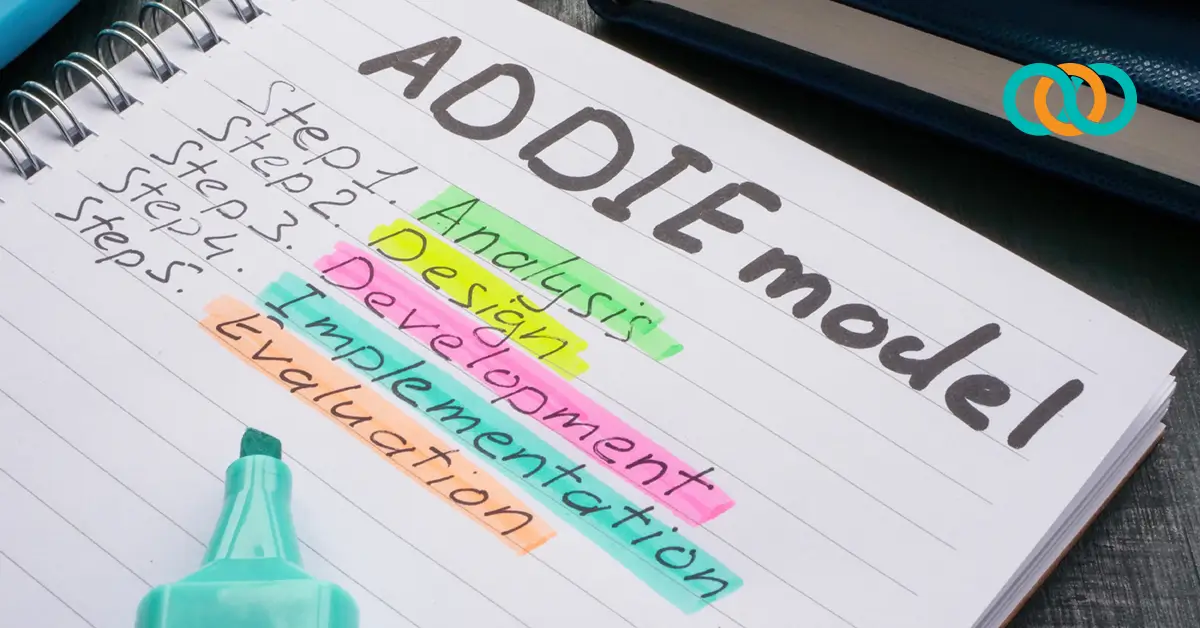
When there’s a completely new learning need, instructional design contractors come in to build something from scratch. This is where the ADDIE model (or similar design frameworks) really comes into play.
This process typically involves:
- Conducting a needs analysis to understand the business problem.
- Interviewing stakeholders and subject matter experts.
- Designing a curriculum that aligns with learning objectives and outcomes.
- Developing engaging content and activities.
- Testing and rolling out the program to learners.
New program builds are a great example of how instructional designers use both creative thinking and strategic planning. The goal is always the same: make learning practical, relevant, and accessible.
3. Onboarding Initiatives: Setting Employees Up for Success
A solid onboarding program can make or break an employee’s first few months on the job. Instructional designers play a major role in helping new hires feel informed, supported, and confident in their roles.
Here’s what they typically do:
- Map out the full onboarding journey (not just day one).
- Design content that introduces company culture, tools, processes, and expectations.
- Create role-specific training paths.
- Develop onboarding checklists, job aids, and support resources.
Engaging onboarding content helps reduce turnover, boost morale, and get new employees up to speed faster—which is a win for everyone.

7 Key Design Elements of Successful Onboarding
4. Leadership Initiatives: Growing Strong Managers
Great leaders aren’t born—they’re developed. Instructional designers build leadership development programs that help new and seasoned managers grow their skills in areas like communication, coaching, emotional intelligence, and decision-making.
These programs often include:
- Self-paced modules.
- Peer learning groups or cohorts.
- Scenario-based activities.
- Real-world projects.
- Coaching or mentoring components.
These aren’t your standard one-way PowerPoint trainings. Today’s leadership development is immersive, personalized, and built around actionable insights—thanks to skilled instructional design professionals who know how to make it stick.
Elements of a Learning Journey for Instructional Designers
5. Technical Training: Building Skills for the Job
Whether it’s learning to use new software, operate machinery, or understand data systems, technical training is another core focus for instructional designers.
This type of training often includes:
- Step-by-step tutorials and simulations.
- Practice exercises and assessments.
- Interactive guides and toolkits.
- Troubleshooting scenarios.
The challenge here? Explaining complex systems in a way that makes sense to non-technical learners. That’s where instructional designers shine. They work closely with subject matter experts (SMEs) to translate technical jargon into meaningful, practical content.
But another key consideration is designing for sustainability. Because software and systems are constantly being updated, instructional designers often build training in a modular, flexible format—so individual pieces can be refreshed without redoing the entire course. That might mean using template-driven eLearning, layering in dynamic data sources, or organizing content into reusable microlearning blocks. This thoughtful approach makes it easier to maintain accuracy over time and saves teams time and money when inevitable tech changes occur.
6. Safety & Compliance Training: Keeping Everyone Informed and Protected
Instructional designers are also key players in building safety and compliance training that checks all the boxes—while still being engaging enough to keep learners awake.
We’re talking:
- Workplace safety protocols.
- Anti-harassment and diversity training.
- Industry-specific compliance modules (like HIPAA or OSHA).
- Cybersecurity awareness.
It’s not always the most glamorous content, but it’s critically important. Instructional design consultants use storytelling, scenarios, and interactive elements to make compliance training memorable and effective.
7. Video Development: Learning in Motion
Video is one of the most powerful tools in a designer’s toolkit. From explainer videos to animated walkthroughs, instructional designers often lead the charge in producing visual content that supports different learning styles.
Video development may include:
- Writing scripts.
- Creating storyboards.
- Collaborating with video editors or animators.
- Recording voiceovers or directing talent.
Many instructional design contractors use tools like Vyond, Camtasia, or Adobe Premiere Pro to build professional-quality videos quickly. The result? Short, high-impact content learners can watch anytime, anywhere.
8. ILT to vILT Conversion: Going Virtual
A big part of modern learning design is taking traditional instructor-led training (ILT) and converting it into virtual instructor-led training (vILT). With remote and hybrid work here to stay, this skill is more in demand than ever.
To make this shift, instructional designers:
- Redesign content to fit shorter, virtual-friendly formats.
- Add interactive tools (polls, chat, breakout rooms).
- Coach facilitators on virtual delivery best practices.
- Create digital handouts and resources.
This isn’t just about taking a PowerPoint deck and adding a webcam—it’s about rethinking the entire learning experience for a virtual space. A highly experienced instructional design consultant can help your organization with this conversion.
Whether it’s learning to use new software, operate machinery, or understand data systems, technical training is another core focus for instructional designers.
This type of training often includes:
- Step-by-step tutorials and simulations.
- Practice exercises and assessments.
- Interactive guides and toolkits.
- Troubleshooting scenarios.
The challenge here? Explaining complex systems in a way that makes sense to non-technical learners. That’s where instructional designers shine. They work closely with subject matter experts (SMEs) to translate technical jargon into meaningful, practical content.
But another key consideration is designing for sustainability. Because software and systems are constantly being updated, instructional designers often build training in a modular, flexible format—so individual pieces can be refreshed without redoing the entire course. That might mean using template-driven eLearning, layering in dynamic data sources, or organizing content into reusable microlearning blocks. This thoughtful approach makes it easier to maintain accuracy over time and saves teams time and money when inevitable tech changes occur.
9. New Product Training: Enabling Sales & Support Teams
When a company launches a new product or service, employees need to know how to talk about it, sell it, and support it. That’s where new product training comes in.
Instructional designers help:
- Craft messaging that aligns with the product’s features and benefits.
- Build training modules for different roles (sales, support, marketing).
- Create hands-on activities to reinforce learning.
- Align training with product rollout timelines.
Speed is usually the name of the game here—so instructional design consultants often help fast-track content creation while ensuring the quality holds up.
How Instructional Designers Improve Business Results
The most effective instructional designers focus on business performance—not just creating training. Before designing a course, they work with stakeholders to understand the desired business outcome, identify performance gaps, and determine whether training is the right solution. When learning is needed, every decision—from course structure to activities and assessments—is designed to help employees apply new skills on the job and achieve measurable results.
Well-designed learning programs can improve a wide range of business metrics, including:
- Faster onboarding: Help new employees become productive more quickly and reduce time to competency.
- Improved productivity: Equip employees with the knowledge and skills to complete tasks more efficiently and accurately.
- Reduced errors and rework: Standardize processes and reinforce best practices to minimize costly mistakes.
- Higher compliance rates: Ensure employees understand regulatory requirements and follow required procedures.
- Greater technology adoption: Support successful implementation of new software, systems, and digital tools.
- Improved customer satisfaction: Build stronger product knowledge, communication skills, and service consistency.
- Better employee retention: Increase engagement by giving employees the confidence and skills they need to succeed.
- More consistent performance: Deliver standardized training that creates a common level of knowledge across teams and locations.
The strongest instructional designers also recognize that training isn’t always the answer. If a performance issue is caused by unclear processes, inadequate tools, or organizational barriers, they recommend solutions beyond training. This performance consulting approach helps organizations invest in learning only when it will have a meaningful impact on business outcomes.
Ultimately, instructional design is most valuable when success is measured by business results—not course completions. Whether the goal is accelerating onboarding, supporting organizational change, improving customer experiences, or increasing operational efficiency, instructional designers help organizations build learning programs that deliver measurable value.
Pulling It All Together
As you can see, instructional designers are involved in a wide range of initiatives that support employee growth and business performance. They’re strategic thinkers, creative problem solvers, and communication experts all rolled into one.
And whether they’re working full-time in a company or independently as instructional design contractors, their work helps organizations:
- Speed up time to competency.
- Improve employee engagement and retention.
- Support change management and innovation.
- Stay compliant and reduce risk.
- Build a culture of continuous learning.
Instructional design isn’t just about making courses—it’s about solving real business problems through learning. And when done well, it can have a lasting impact across every level of an organization.
5 Reasons to Hire an Instructional Design Consultant
What to read next:
Keep Exploring How Instructional Design Works
If you want a deeper look at the frameworks, roles, and problem-solving behind the projects described above, these articles cover the same territory.


Deciding Whether to Bring in an Instructional Designer?
Once you understand the role, the next question is usually whether your organization needs one and which type of support fits your project. These articles walk through the scenarios, the role distinctions, and the signs it’s time to add outside capacity.



Ready to Work with Us?
Does your L&D team have more projects than people?
Many organizations in this position turn to contract instructional designers to scale training without overloading internal teams. If you’re exploring options or comparing eLearning development companies, you should learn more about how organizations design and scale these solutions.
TrainingPros is a learning and development company that connects organizations with experienced instructional designers, eLearning developers, and performance consultants. We’ve been named a Top 20 Staffing Company by Training Industry and a Champion of Learning by the Association for Talent Development (ATD), recognition that reflects our commitment to delivering high-quality, tailored learning solutions. To hear ongoing conversations with senior learning leaders, listen to our Learning Leader Spotlight podcast: Apple | Spotify | YouTube
If your learning initiatives require additional support, whether for a single project or a large-scale rollout, our relationship managers can help you find the right expertise quickly and confidently.
When you have more projects than people™, let TrainingPros find the right consultant to start your project with confidence.
Frequently Asked Questions About Instructional Designers
What does an instructional designer do?
Instructional designers analyze learning needs, design training programs, develop learning materials, and evaluate whether training improves employee performance and business results.
What types of projects do instructional designers work on?
Instructional designers commonly support onboarding, leadership development, compliance training, technical training, customer education, sales enablement, product launches, software implementations, and organizational change initiatives.
What's the difference between an instructional designer and an eLearning developer?
Instructional designers determine what employees need to learn and how they should learn it. eLearning developers build the digital learning experiences using authoring tools such as Articulate Storyline or Rise.
Can instructional designers improve business performance?
Yes. Effective instructional design helps reduce errors, improve productivity, shorten onboarding time, increase learner confidence, and support business initiatives through better workforce capability.
Should I hire a contract instructional designer?
Contract instructional designers are often the best choice for temporary projects, specialized expertise, technology implementations, content refreshes, or periods when internal learning teams need additional capacity.
Do instructional designers only build eLearning?
No. Instructional designers create instructor-led training, virtual instructor-led training (vILT), blended learning, job aids, performance support tools, learning journeys, videos, coaching resources, and other learning solutions.
- 2shares
- LinkedIn0
- Twitter0
- Facebook0
- Love This2