Most instructional designers understand the importance of knowing their audience. Yet many learning projects still begin with assumptions about learners rather than actual learner data.
A learner persona is a fictional representation of a target learner group based on research and real-world observations. Learner personas help instructional designers and learning experience designers move beyond generic content and create learning experiences that reflect the needs, motivations, challenges, and work environments of actual learners.
Borrowed from marketing and user experience design, learner personas have become an increasingly valuable tool in Learning and Development. Whether you’re designing eLearning, instructor-led training, onboarding programs, or virtual classroom training, learner personas can help ensure learning solutions are relevant, engaging, and effective.
What Is a Learner Persona?
A learner persona is a detailed profile that represents a group of learners who share similar characteristics, goals, challenges, and learning needs. Rather than designing for a broad audience, instructional designers use personas to create learning experiences with specific learners in mind.
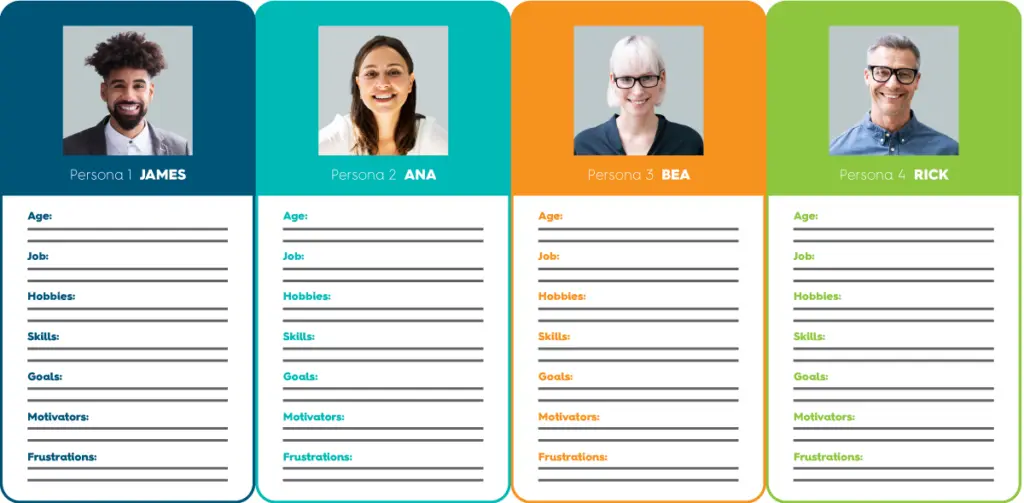
A learner persona typically includes information such as job role, experience level, performance goals, learning preferences, motivations, challenges, and workplace realities.
For example, a learner persona for a sales onboarding program might represent a new sales representative who needs product knowledge quickly but has limited time available for training. A persona for a leadership development program might represent a first-time manager who needs practical coaching skills and support for difficult conversations.
By creating personas, instructional designers can make more informed decisions throughout the design process.
Why Learner Personas Matter
Organizations can invest significant time and resources creating training programs that fail to connect with learners. In many cases, the content is accurate and well-designed, but it does not reflect the realities learners face in their daily work.
Learner personas help instructional designers understand questions such as:
- What motivates learners?
- What obstacles prevent success?
- What prior knowledge do learners bring?
- How much time do learners realistically have for training?
- What technology do learners use?
- How will learners apply what they learn?
Answering these questions early can improve learner engagement, increase relevance, and support stronger performance outcomes.
Step 1: Gather Learner Data
Effective learner personas begin with research, not assumptions.
Before creating a persona, instructional designers should gather information about the target audience from multiple sources. Depending on the project, this information may come from learner interviews, surveys, focus groups, manager interviews, LMS data, performance metrics, help desk tickets, observation, or previous course evaluations.
The goal is to identify patterns rather than individual preferences. For example, you may discover that most learners struggle to find time for training during their workday, or that many employees rely heavily on mobile devices to access learning resources.
The more accurate the information, the more useful the learner persona will become throughout the design process.
Step 2: Identify Learner Segments
Not all learners have the same needs.
Many training initiatives serve multiple audiences with different responsibilities, experience levels, and performance expectations. Before building personas, instructional designers should identify distinct learner groups that may require different learning experiences.
For example, a software implementation project might include:
- New employees learning the system for the first time
- Experienced employees transitioning from a legacy system
- Managers who need reporting capabilities
- Subject matter experts responsible for advanced troubleshooting
Trying to create a single persona for all these groups often leads to generic learning experiences that fail to meet anyone’s needs particularly well. Instead, identify meaningful learner segments and create personas that represent each audience.
Step 3: Build the Learner Persona
Once research and learner segments have been identified, instructional designers can create the actual learner persona. A learner persona does not need to be complicated. The purpose is to provide a realistic picture of the learner group and serve as a reference throughout the project.
A typical learner persona might include:
- Name
- Job role
- Years of experience
- Primary responsibilities
- Learning goals
- Motivations
- Challenges
- Preferred learning methods
- Technology comfort level
- Success measures
Example Learner Persona:
Operations Manager Olivia
Olivia manages a team of twelve employees across multiple locations. Her schedule is filled with meetings, coaching conversations, and operational responsibilities. She values practical training that helps solve immediate business problems and prefers concise learning experiences that fit into her workday. Olivia often accesses learning content from a laptop but occasionally uses mobile devices while traveling. She measures success by improvements in team performance rather than course completion.
Creating a persona like Olivia helps instructional designers visualize the learner throughout the project and make design decisions that better align with learner needs.
Step 4: Design Learning Experiences Around the Persona
Creating a learner persona is only valuable if it influences design decisions.
Throughout the design process, instructional designers should regularly evaluate content, activities, and assessments through the lens of the learner persona.
Questions to consider include:
- Would this learner find the content relevant?
- Does this activity reflect realistic workplace situations?
- Is the content presented at the right level of complexity?
- Can the learner realistically complete this training given workplace demands?
- Will the learner be able to apply the information immediately?
These questions help ensure that learning solutions remain learner-centered rather than content-centered. The result is often training that feels more practical, engaging, and useful to the target audience.
Step 5: Validate and Refine Your Personas
Learner personas should not be treated as static documents. Organizations change. Roles evolve. Technology advances. Business priorities shift. As these changes occur, learner personas should be reviewed and updated.
Instructional designers can validate learner personas by conducting follow-up interviews, reviewing learner feedback, analyzing LMS data, consulting managers, and examining performance metrics.
Over time, these updates help ensure personas continue to reflect the realities learners face and remain useful tools for future learning initiatives. The most effective learner personas are living resources that evolve alongside the organization.
Common Mistakes When Creating Learner Personas
Building Personas Based on Assumptions
One of the most common mistakes is creating personas based solely on stakeholder opinions. While stakeholder input is valuable, learner personas should be informed by actual learner data whenever possible.
Creating Too Many Personas
A large number of personas can make the design process unnecessarily complicated. Most projects benefit from two to five well-developed personas that represent meaningful learner groups.
Focusing Only on Demographics
Age, education, and location may provide some context, but job responsibilities, motivations, barriers, and performance expectations are often far more important.
Creating Personas and Never Using Them
A learner persona should be a working design tool. If it is created and then ignored, it provides little value. The persona should influence decisions throughout analysis, design, development, implementation, and evaluation.
Final Thoughts
Learner personas help instructional designers create learning experiences that reflect the needs of real learners rather than assumptions about them. By gathering data, identifying learner groups, developing meaningful personas, and using those personas throughout the design process, organizations can create training that is more relevant, engaging, and effective.
Whether you are developing eLearning, instructor-led training, onboarding programs, or performance support resources, learner personas can provide valuable insight into the people your learning solutions are intended to serve.
The better you understand your learners, the more likely you are to create learning experiences that support meaningful performance improvement.
Ready to Work with Us?
Does your L&D team have more projects than people?
Many organizations in this position turn to contract instructional designers to scale training without overloading internal teams. If you’re exploring options or comparing eLearning development companies, you should learn more about how organizations design and scale these solutions.
TrainingPros is a learning and development company that connects organizations with experienced instructional designers, eLearning developers, and performance consultants. We’ve been named a Top 20 Staffing Company by Training Industry and a Champion of Learning by the Association for Talent Development (ATD), recognition that reflects our commitment to delivering high-quality, tailored learning solutions.
If your learning initiatives require additional support, whether for a single project or a large-scale rollout, our relationship managers can help you find the right expertise quickly and confidently.
When you have more projects than people™, let TrainingPros find the right consultant to start your project with confidence.
Frequently Asked Questions About Learner Personas
What is a learner persona in instructional design?
A learner persona is a fictional representation of a target learner group that helps instructional designers create more relevant and engaging learning experiences.
Why are learner personas important?
Learner personas help instructional designers understand learner needs, motivations, challenges, and preferences, leading to more learner-centered training solutions.
How many learner personas should an instructional designer create?
Most projects benefit from two to five personas that represent distinct learner groups.
Are learner personas only used for eLearning?
No. Learner personas can improve eLearning, instructor-led training, virtual instructor-led training, coaching programs, onboarding, and performance support solutions.
What information should be included in a learner persona?
Typical elements include job role, goals, challenges, motivations, experience level, learning preferences, and success measures.
- 3shares
- LinkedIn1
- Twitter0
- Facebook0
- Love This2