Quick Answer:
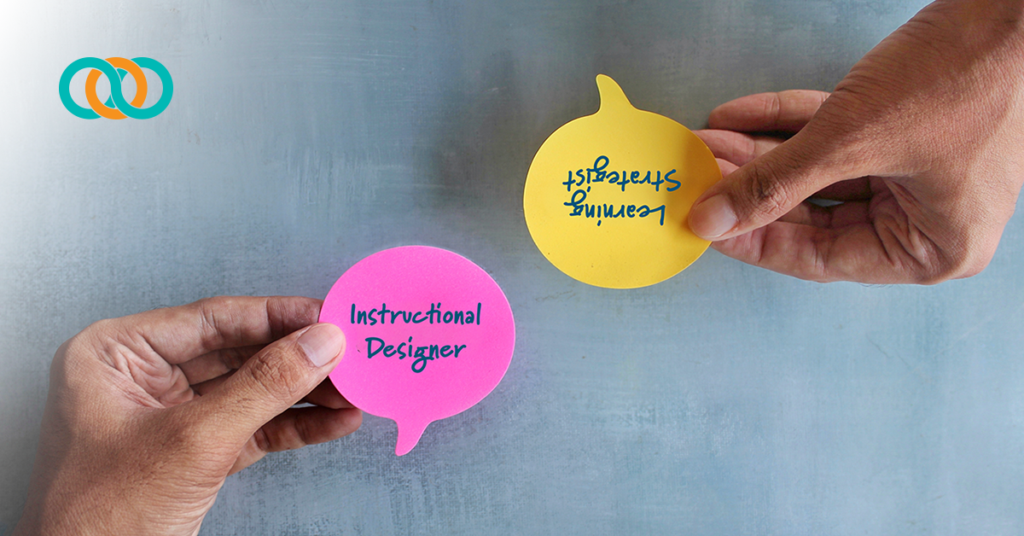
A learning strategist works at a broader, more strategic level than an instructional designer. A learning strategist helps an organization determine how learning should support business priorities, workforce capabilities, and long-term goals. An instructional designer focuses more specifically on designing effective learning experiences that address defined performance or learning needs.
Both roles are important, and there can be overlap. The biggest difference is usually the level of the problem they are being asked to solve.
What Does a Learning Strategist Do?
A learning strategist helps an organization make higher-level decisions about learning and development. Rather than starting with a request for a course or program, the strategist often starts with questions such as:
- What capabilities will the organization need?
- Where are the most important workforce gaps?
- Which business priorities should L&D support?
- What should we build, buy, outsource, or stop doing?
- How should our learning programs, technology, processes, and resources work together?
- What should the learning roadmap look like over the next 12, 18, or 24 months?
A corporate learning strategist may work across multiple initiatives, business units, or even the entire enterprise. Their work can include developing a corporate learning strategy, creating a learning strategy and roadmap, establishing a learning architecture, identifying capability priorities, or helping an L&D function determine where to invest limited resources.
The deliverable isn’t necessarily training. It may be a strategy, roadmap, governance model, capability framework, operating model, or set of recommendations that guides future L&D decisions.
What Does an Instructional Designer Do?
An instructional designer typically works closer to the learning solution itself.
Once an organization has identified a performance or learning need, the instructional designer determines how people should learn what they need to know or do. That might include designing instructor-led training, virtual learning, eLearning, performance support, blended learning, or other learning experiences.
Instructional designers may:
- Analyze the target audience and learning environment.
- Define learning and performance objectives.
- Determine the appropriate instructional approach.
- Organize and sequence content.
- Design activities, practice, and assessments.
- Create storyboards, facilitator guides, participant materials, or design documents.
- Work with subject matter experts and developers to create the final solution.
- Evaluate whether the learning experience achieved its intended objectives.
In other words, an instructional designer is usually answering, “How should we design this learning experience?”
A learning strategist is more likely to be asking, “What should L&D be doing in the first place, and where should we focus?”
Learning Strategist vs. Instructional Designer: How Do the Roles Compare?
|
|
Learning Strategist
|
Instructional Designer
|
|---|---|---|
Primary focus |
Business and workforce learning strategy
|
Learning experience and solution design
|
Typical scope |
Enterprise, function, portfolio, or major initiative
|
Specific program, curriculum, or learning solution
|
Starting point |
Business priorities and workforce capabilities
|
Defined performance or learning need
|
Key question |
Where and how should L&D invest to support the business?
|
How should people learn this effectively?
|
Common outputs |
Learning strategy, roadmap, capability priorities, learning architecture, governance recommendations
|
Design documents, curricula, storyboards, learning activities, eLearning, assessments, facilitator and participant materials
|
These distinctions aren’t absolute. An experienced instructional designer may contribute to strategy, and a learning strategist may get involved in solution-level decisions. Job titles also vary significantly from one organization to another.
The better question is often not what is this person called? but what level of problem do we need this person to solve?
Can an Instructional Designer Also Be a Learning Strategist?
Yes. An experienced instructional designer can become a learning strategist, but the two roles require different areas of focus.
Instructional designers already bring valuable skills to strategy work. They know how to analyze an audience, identify learning needs, work with subject matter experts, evaluate possible solutions, and connect learning objectives with desired performance.
Moving into a learning strategist role requires expanding that perspective beyond an individual learning solution or curriculum.
A learning strategist needs to understand the larger business context. That can mean identifying workforce capabilities the organization will need, connecting learning priorities to business goals, evaluating competing L&D investments, looking across the learning portfolio, and creating a learning strategy and roadmap.
The shift is essentially from “How should we design this learning solution?” to “Where should L&D focus its resources, and how can learning best support what the business needs to accomplish?”
For instructional designers interested in moving into learning strategy, experience with business consulting, stakeholder management, workforce capability planning, measurement, portfolio decisions, and enterprise-level initiatives can help build that broader perspective.

Business Metrics Every Instructional Designer Should Know
When Do You Need a Learning Strategist Instead of an Instructional Designer?
You may need a learning strategist consultant when the challenge is bigger than designing an individual learning program.
For example, imagine your organization is preparing for a major business transformation. Several workforce capabilities need to change, multiple business units are affected, your existing learning portfolio is already crowded, and leadership wants to know where L&D should invest first.
That’s primarily a strategy problem.
A learning strategist might help identify the capabilities that matter most, assess the current learning ecosystem, determine priorities, establish principles for what should be built or bought, and create a learning roadmap.
Once specific learning initiatives are identified, instructional designers may then design those solutions.
This is one reason organizations sometimes bring in a contract learning strategist or fractional learning strategist before adding development resources. More designers can increase production capacity. They don’t necessarily answer the question of what should be produced and why.
Can a Learning Strategist and Instructional Designer Work Together?
Absolutely. In fact, they usually do.
Think about a large leadership development initiative. A learning strategist might help determine which leadership capabilities are most important to the organization’s strategy, identify the audiences that should be prioritized, recommend how development should occur across the employee lifecycle, and establish measures of success.
An instructional designer could then translate that strategy into specific learning experiences, curricula, practice opportunities, tools, and resources.
The strategist provides high level direction. The instructional designer turns that direction into an effective learning experience.
For large initiatives, organizations may also need facilitators, eLearning developers, learning technology experts, project managers, change practitioners, and other specialists.
When Should You Hire a Learning Strategist?
Consider hiring a learning strategist when you have questions that can’t be answered by simply designing another course.
That might be the case when your organization is going through a transformation, preparing for major workforce capability changes, rethinking the role of L&D, developing an enterprise learning strategy, or trying to decide how AI should change your learning organization.
You may also need a strategist when you have plenty of learning activity but aren’t confident that everything is connected to the organization’s highest priorities.
A full-time hire isn’t always necessary. A fractional learning strategist or contract learning strategist can be useful when you need senior-level expertise for a defined period, for example, to develop a strategy, create a roadmap, assess the current learning ecosystem, or guide a major transformation.
The goal isn’t simply to produce more learning. It’s to make better decisions about where learning can create the greatest value.
What to Read Next?
How Do You Decide if You Need a Learning Strategist?
How do you determine if you need a learning strategist and if you need full-time, contract, or fractional help? These articles provide further information on the topic.


Ready to Work with Us?
Does your L&D team have more projects than people?
Many organizations reach a point where their existing L&D team is fully occupied designing and delivering learning while strategic decisions continue to pile up. A contract Learning Strategist provides the expertise to align learning with business goals, prioritize initiatives, develop a learning roadmap, and help your organization make confident learning investments without adding a full-time position. Learn how TrainingPros connects organizations with experienced Learning Strategists.
TrainingPros is a learning and development company that connects organizations with experienced instructional designers, contract facilitators, and virtual classroom producers. We’ve been named a Top 20 Staffing Company by Training Industry and a Champion of Learning by the Association for Talent Development (ATD), recognition that reflects our commitment to delivering high-quality, tailored learning solutions.
To hear ongoing conversations with senior learning leaders, listen to our Learning Leader Spotlight podcast: Apple | Spotify | YouTube
If your learning initiatives require additional support, whether for a single project or a large-scale rollout, our relationship managers can help you find the right expertise quickly and confidently.
When you have more projects than people™, let TrainingPros find the right consultant to start your project with confidence.
Frequently Asked Questions About
Learning Strategists and Instructional Designers
Is a learning strategist the same as an instructional designer?
No. An instructional designer typically focuses on designing specific learning experiences, while a learning strategist works at a broader level to connect learning investments with business priorities, workforce capabilities, and organizational goals. Some experienced professionals can perform both roles.
Does a learning strategist create training?
Sometimes, but creating training usually isn’t the primary focus of the role. Learning strategists are more likely to define priorities, recommend approaches, develop learning strategies and roadmaps, or establish the framework within which specific learning solutions are developed.
Do I need a learning strategist or an instructional designer?
If you know what learning solution you need and need someone to design it, an instructional designer may be the right resource. If you’re still determining what L&D should prioritize, which capabilities matter, or how multiple learning initiatives should fit together, you may need a learning strategist first.
Can you hire a learning strategist on a contract basis?
Yes. Organizations may use a contract or fractional learning strategist when they need experienced strategic expertise without creating a permanent position. This can work particularly well for transformations, strategy development, capability planning, learning ecosystem assessments, and other time-bound initiatives.
What's the difference between a learning strategist and a learning technology strategist?
A learning strategist considers the broader learning ecosystem, including business priorities, workforce capabilities, programs, resources, processes, and technology. A learning technology strategist focuses more deeply on the technology required to support that strategy, including platforms, integrations, AI, data, and the overall learning technology ecosystem.
- 0share
- LinkedIn0
- Twitter0
- Facebook0
- Love This0